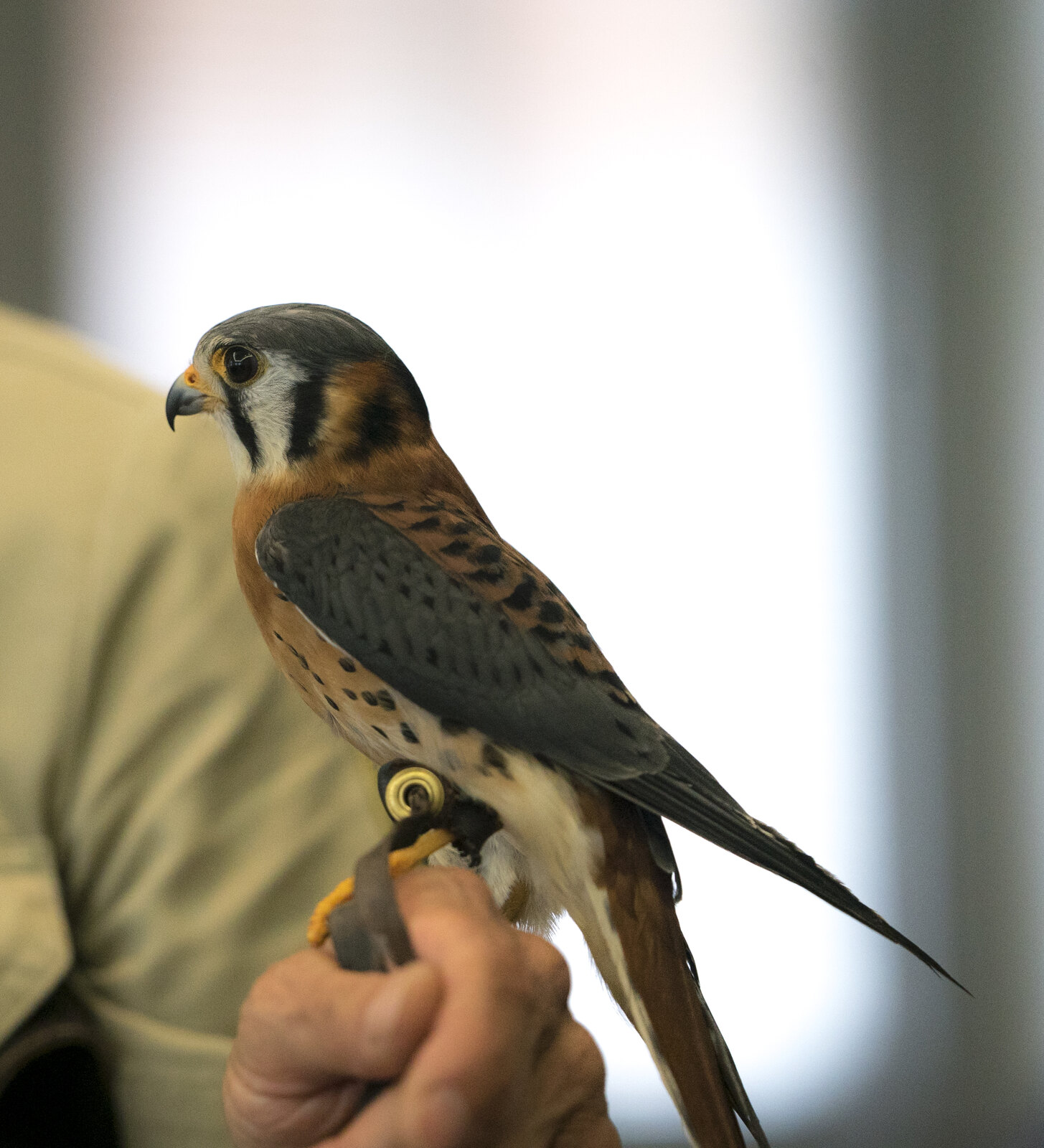
The American Kestrel (Falco sparverius)
Why They Need Our Help
The American Kestrel is North America's smallest and most charismatic falcon. Despite their adaptability to grasslands, farmlands, and suburban areas, long-term monitoring data shows steady population declines across most of their range.
Threats include loss of nesting cavities, pesticide exposure reducing their primary prey (insects and small rodents), climate shifts, and habitat degradation.
Quick Facts
- Size: Roughly the size of a Robin (8.5–12 inches).
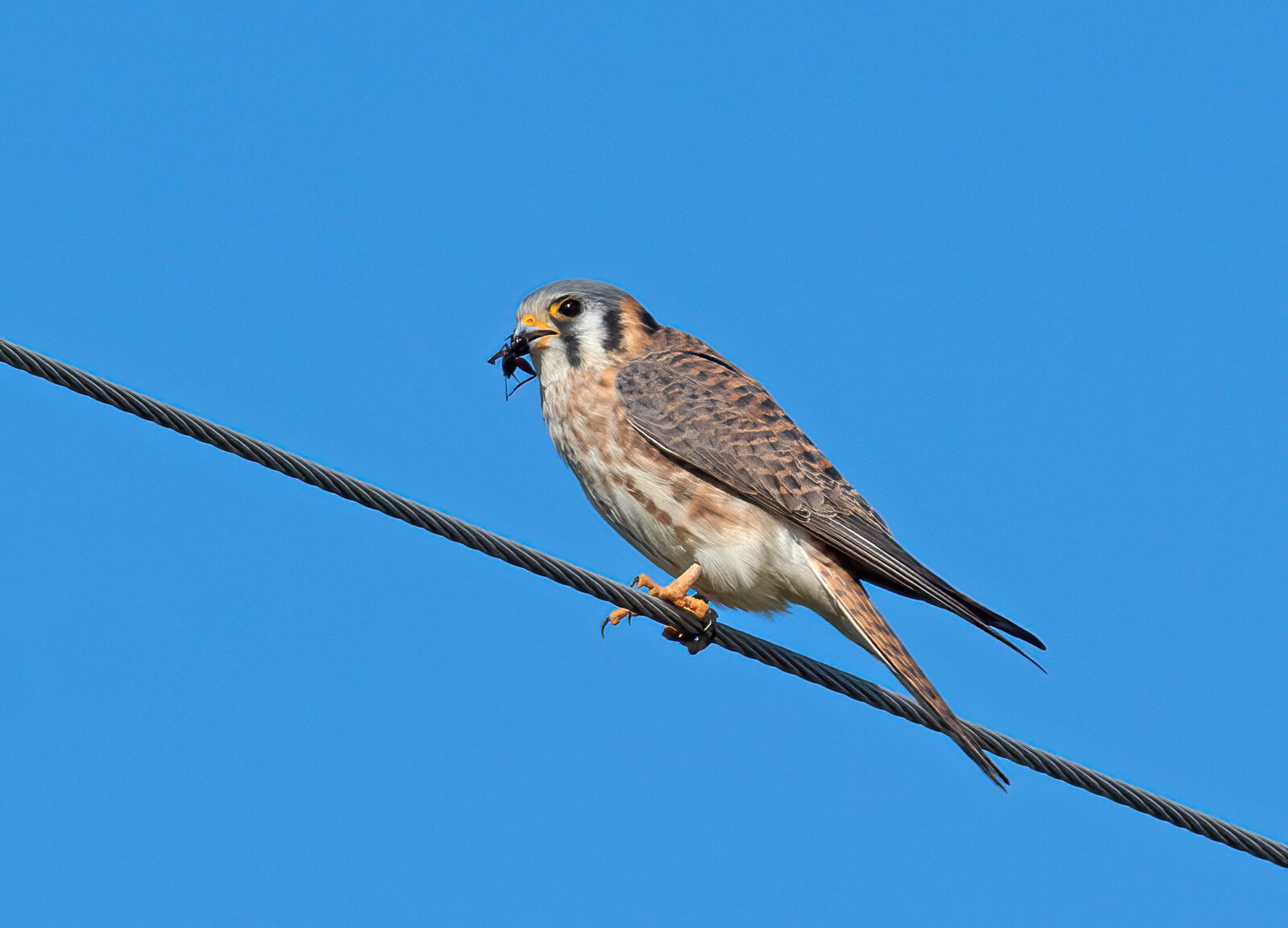
- Diet: Grasshoppers, dragonflies, cicadas, mice, and voles (opportunistic hunters).
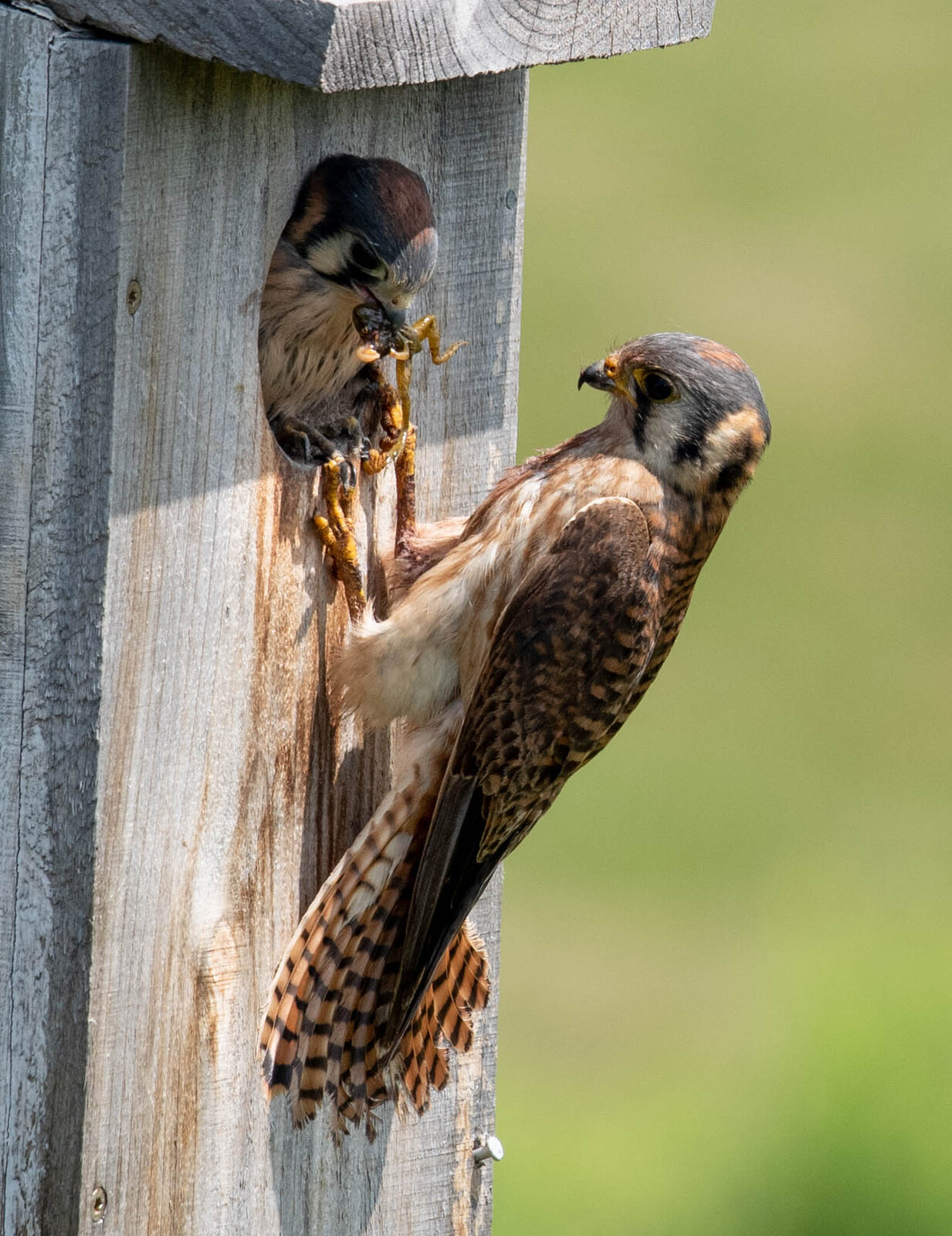
- Nesting: Cavity nesters that rely on natural tree hollows or man-made nest boxes.
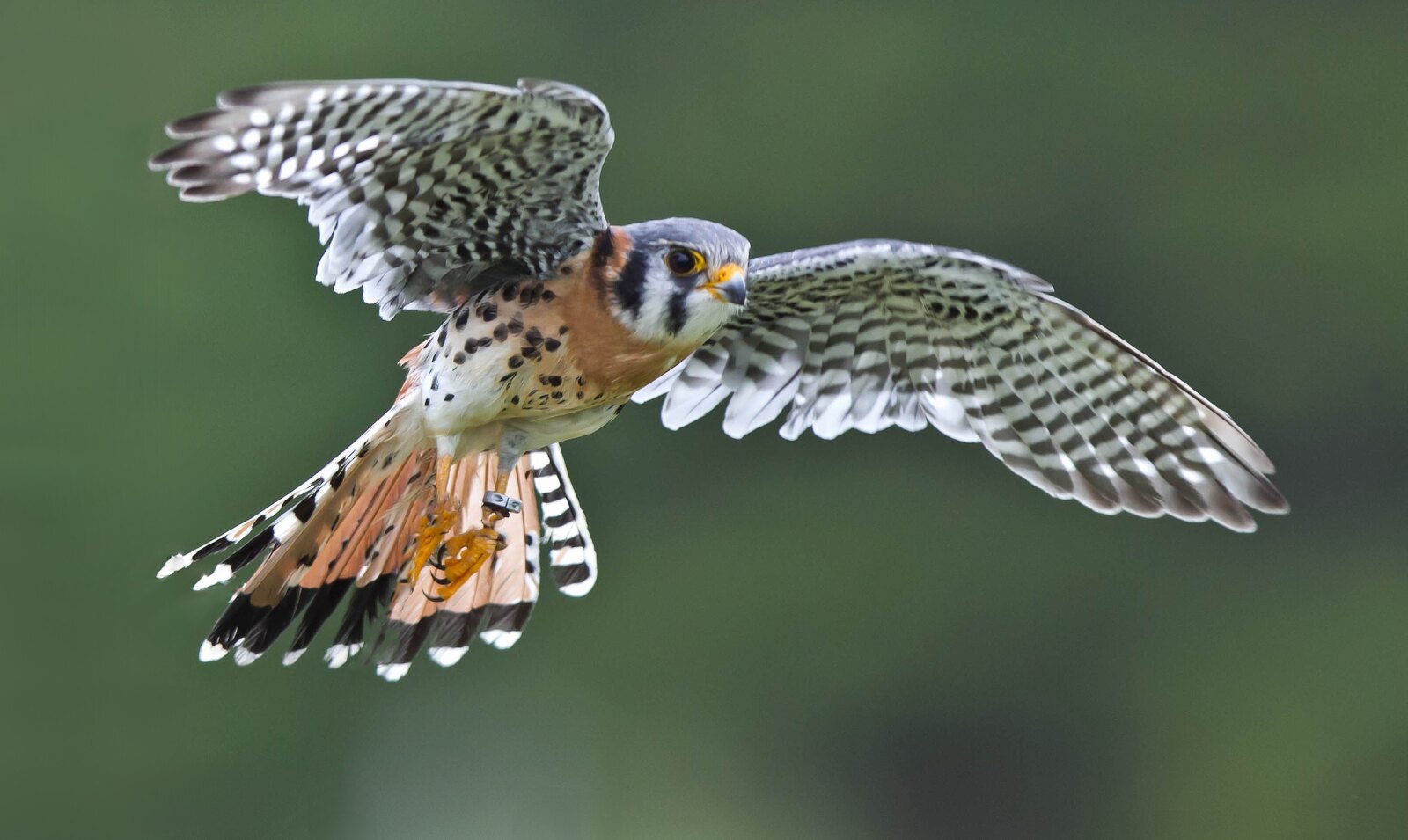
- Hunting Style: Famous for hovering in mid-air ("windhovering") while hunting for prey.
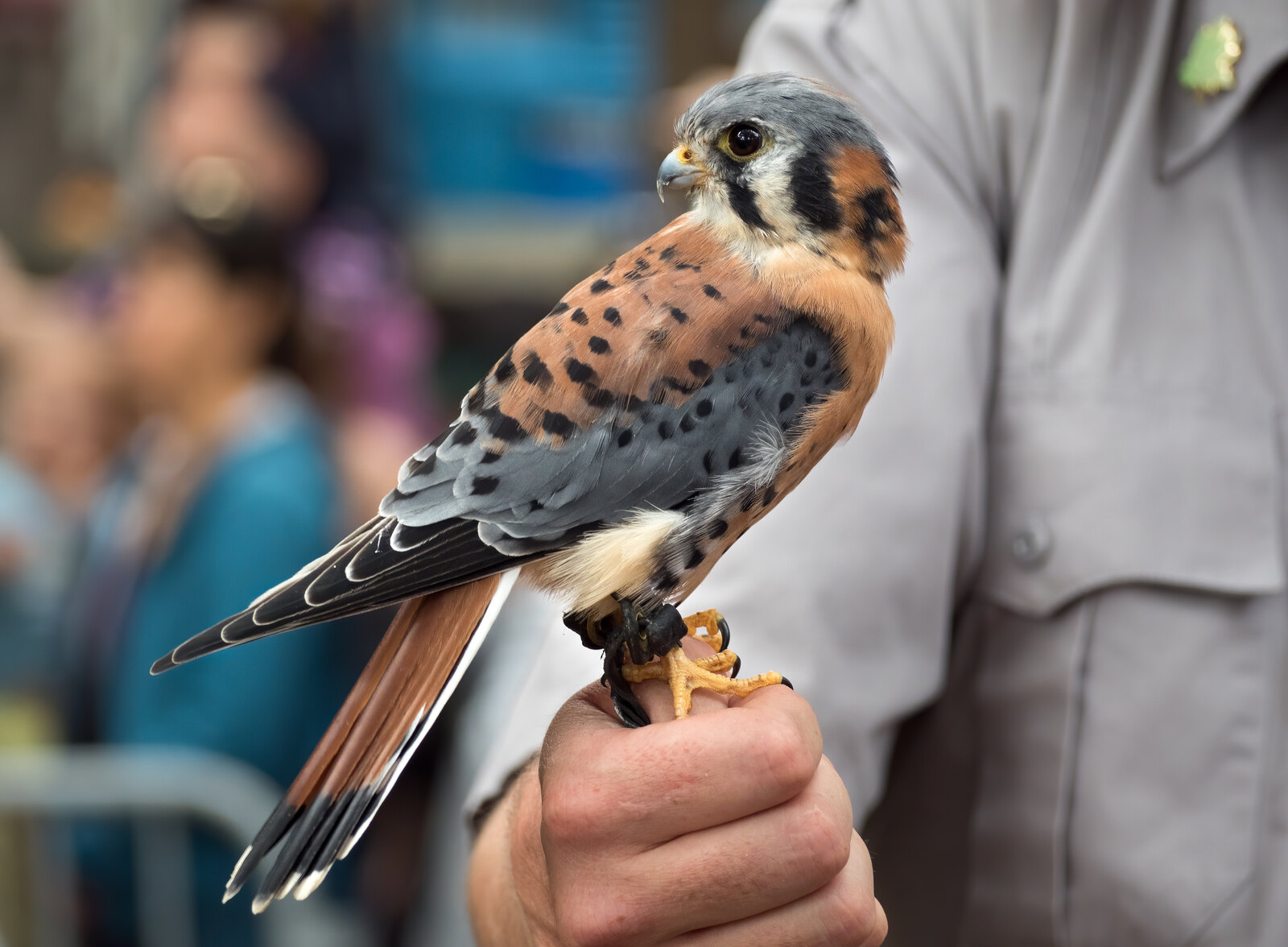
Adult Male Male
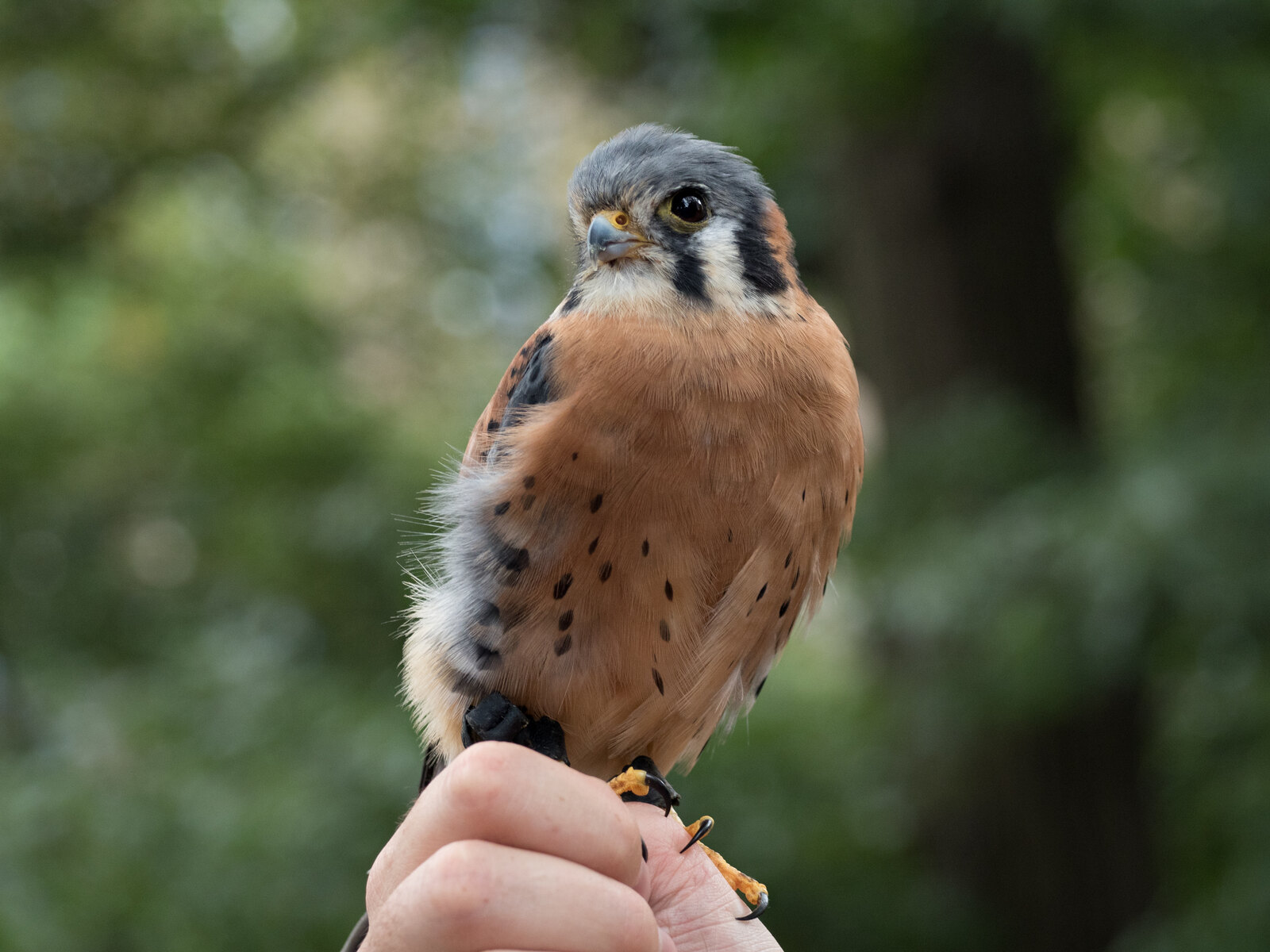
Recognizable by distinctive slate-blue wings, vibrant rufous back, and a single bold black subterminal band across the tail.
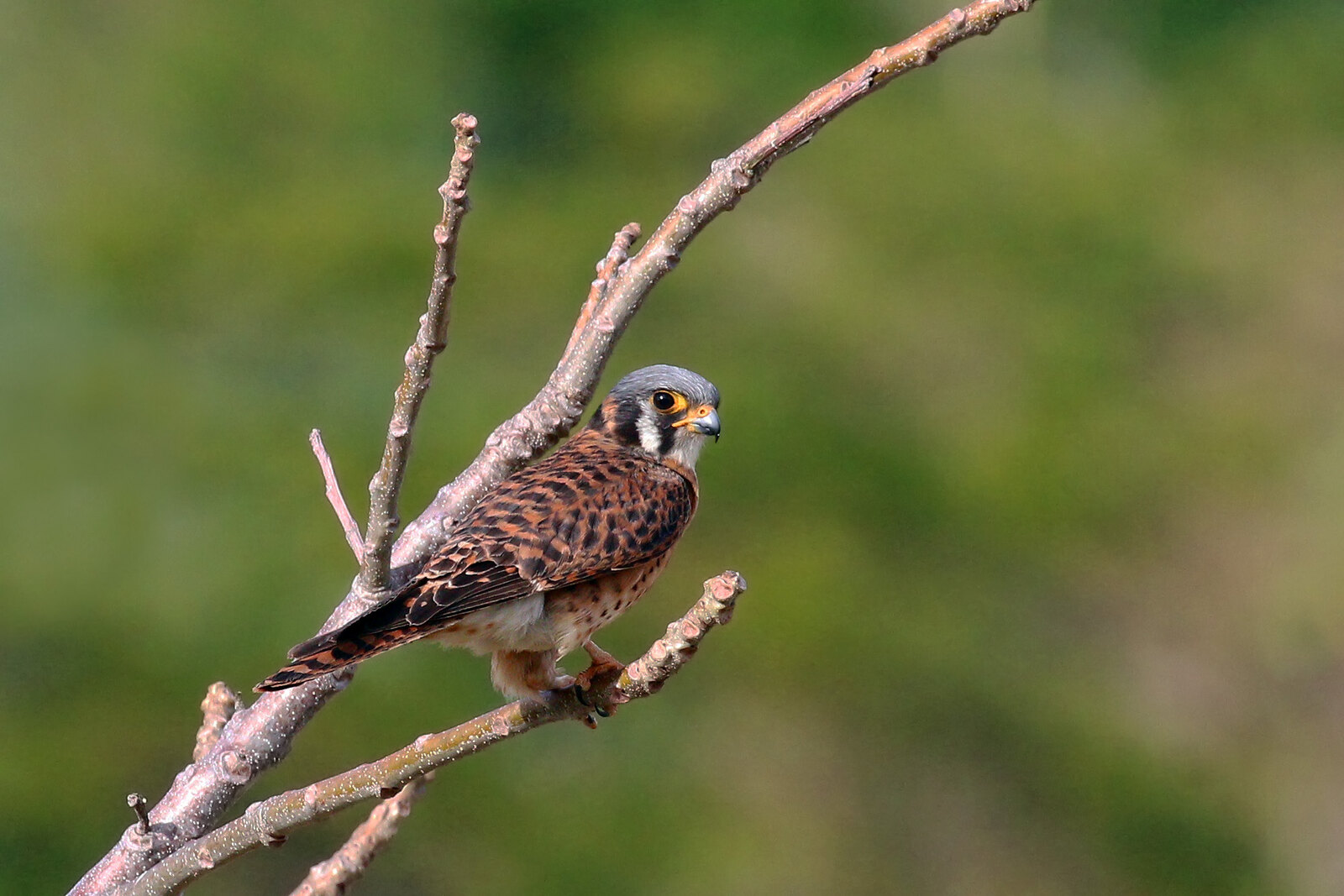
Adult Female Female
Slightly larger than males, females feature warm rufous wings barred with dark brown and vertical streaking across the breast.
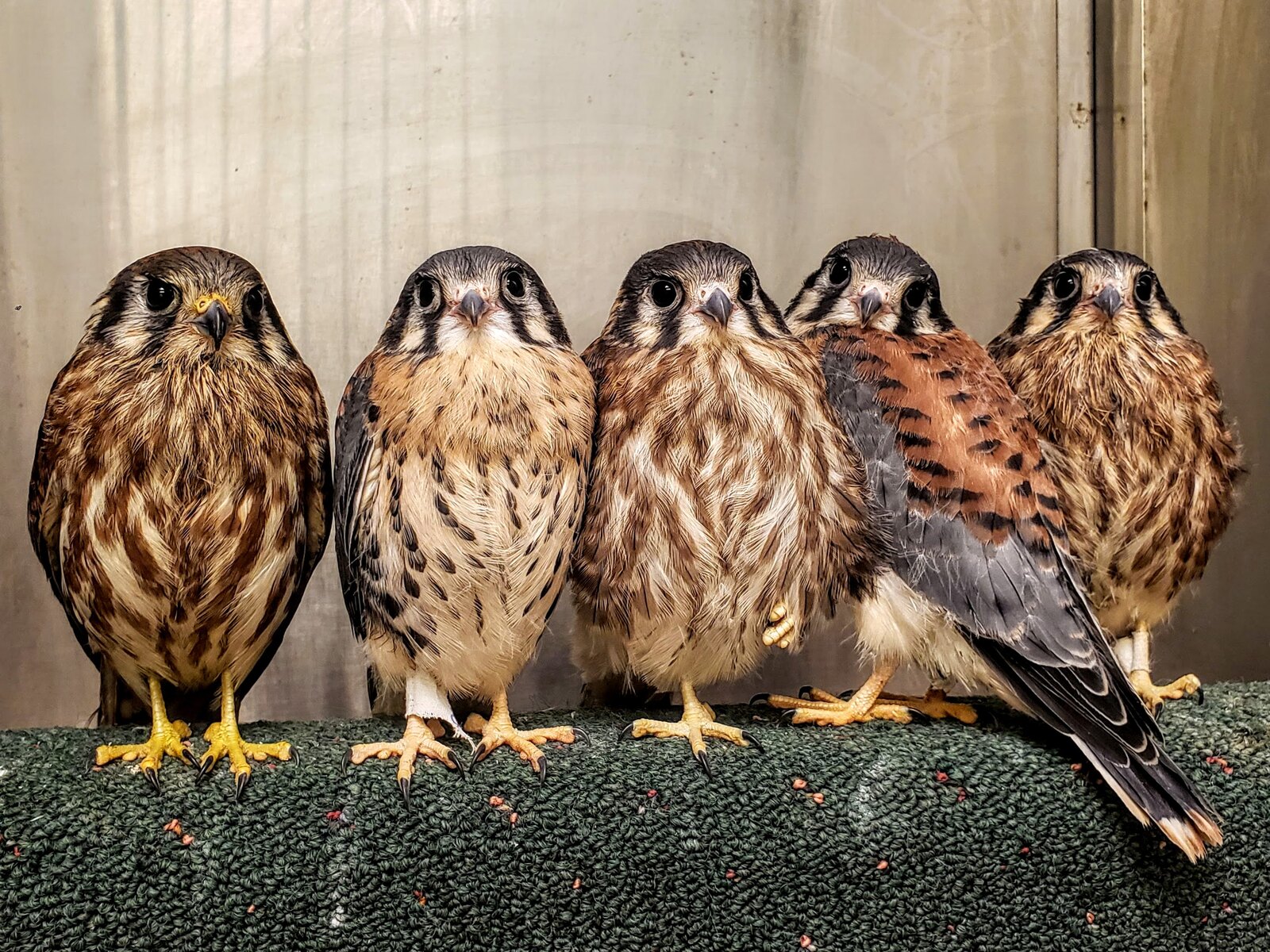
Young Fledglings Juvenile
Clutch fledglings emerging from nest boxes, exhibiting downy feathers and developing adult flight plumage under monitoring.